Attached pergolas
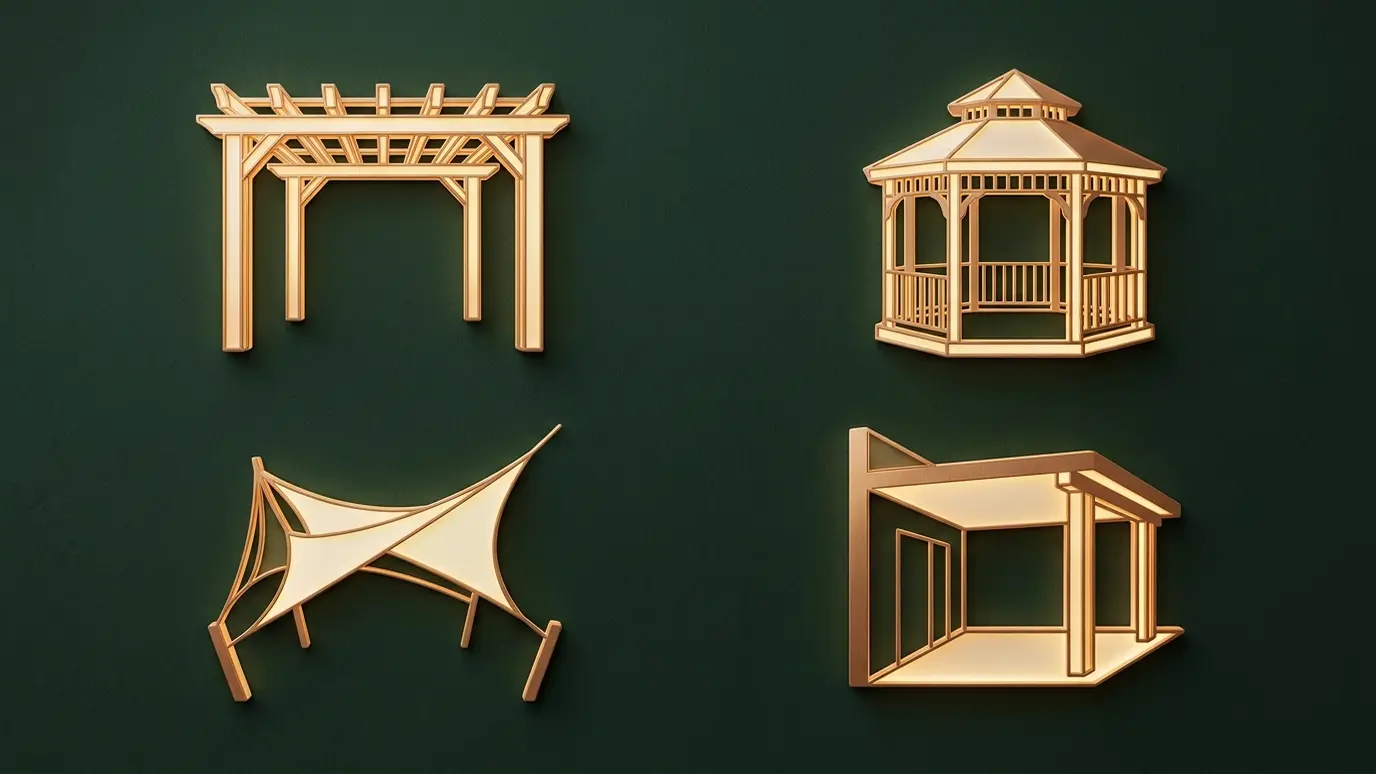
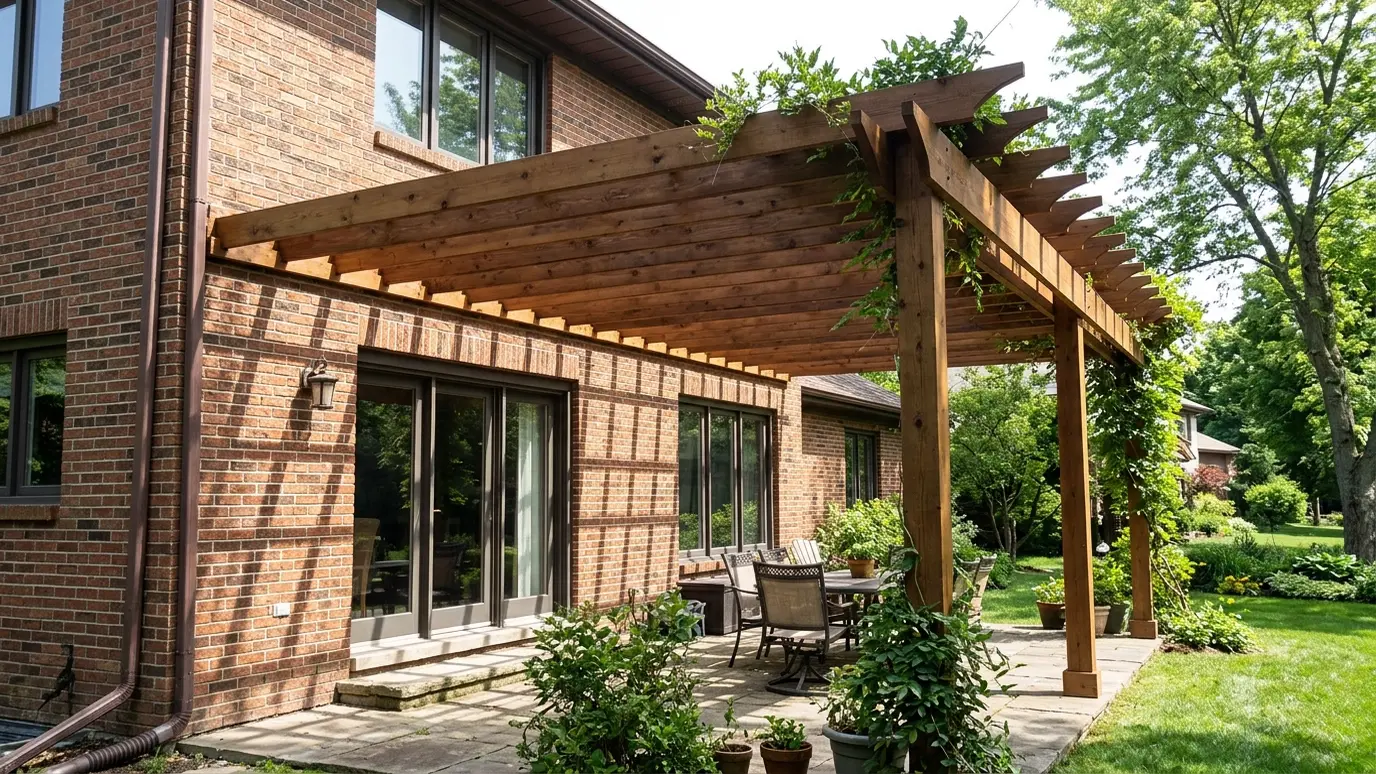
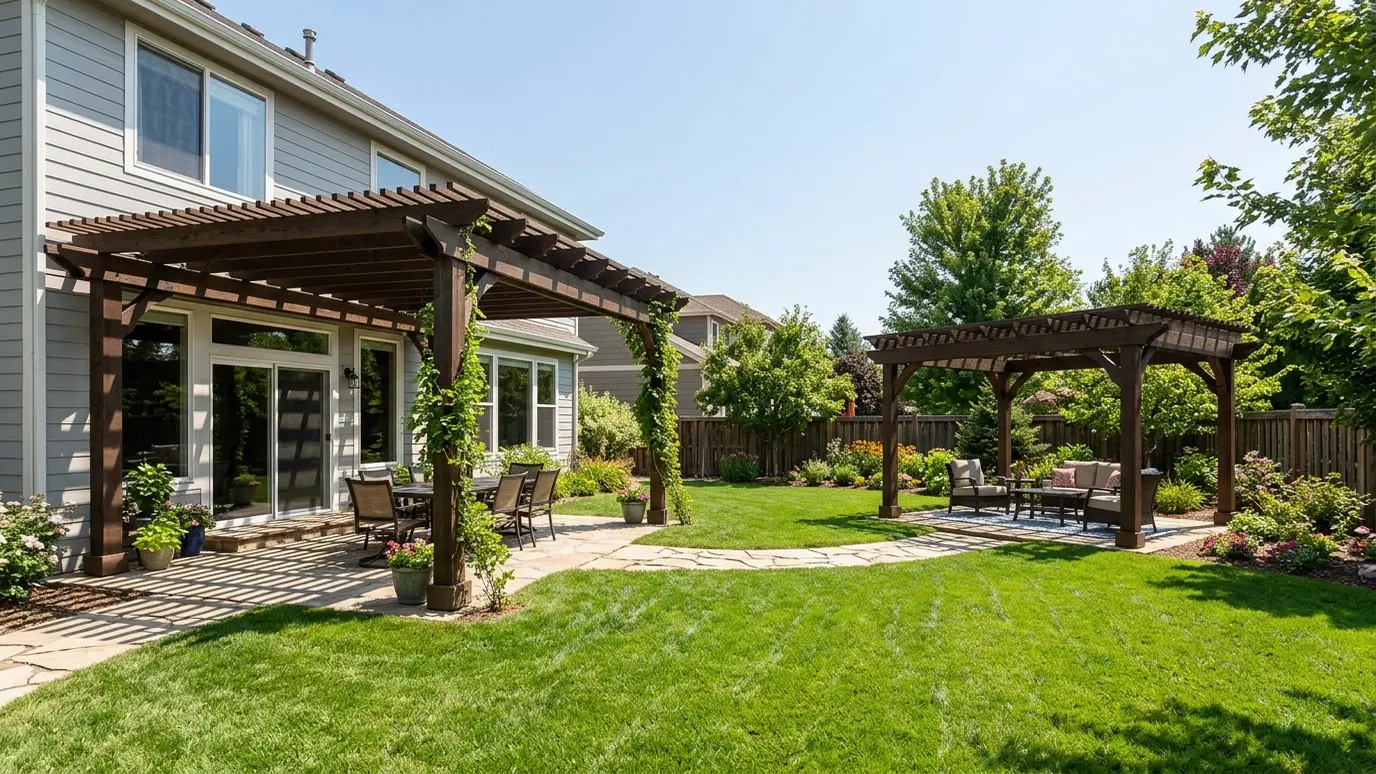
An attached pergola ties into the house wall with a ledger. It saves posts and gives easy access from the door.
Flashing must be done carefully to keep water out.
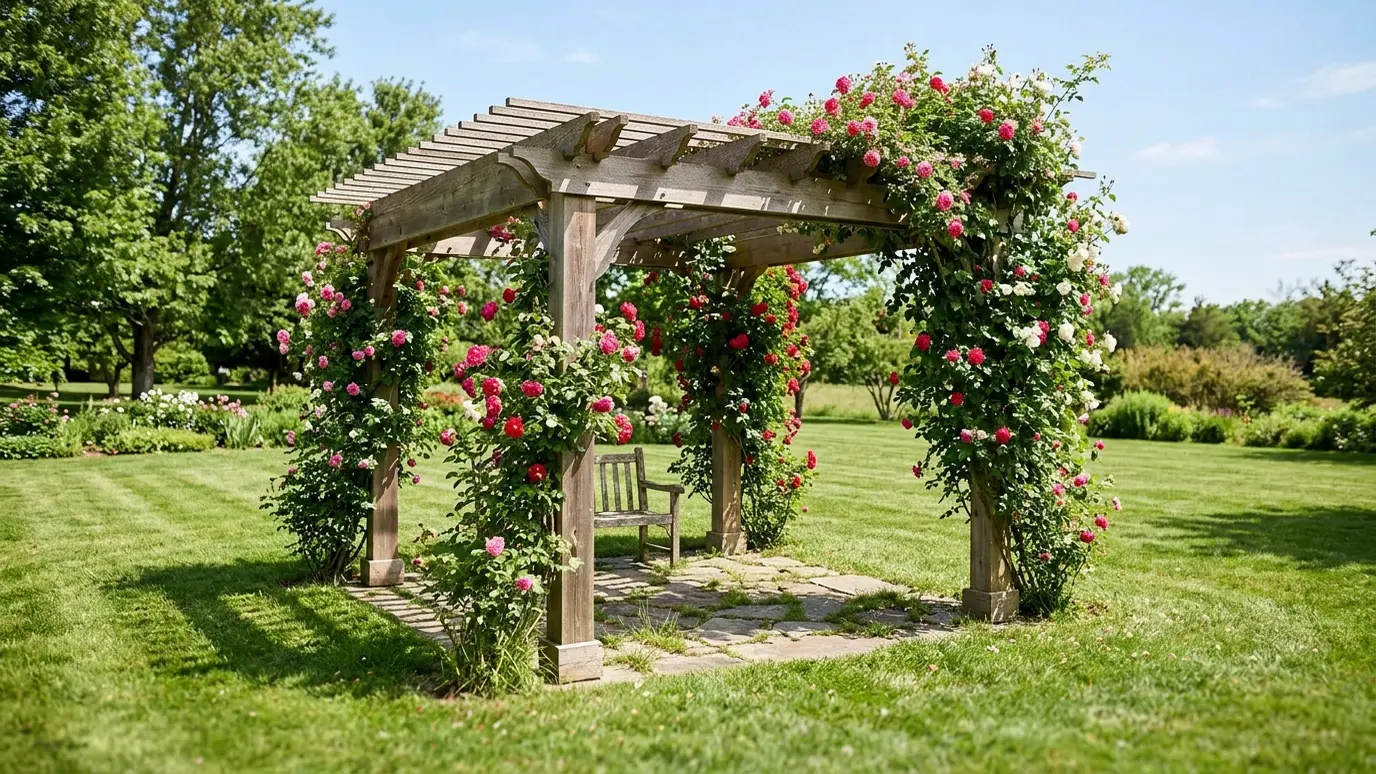
Freestanding pergolas
A freestanding pergola has posts on all sides and can sit anywhere, such as a garden corner or pool edge.
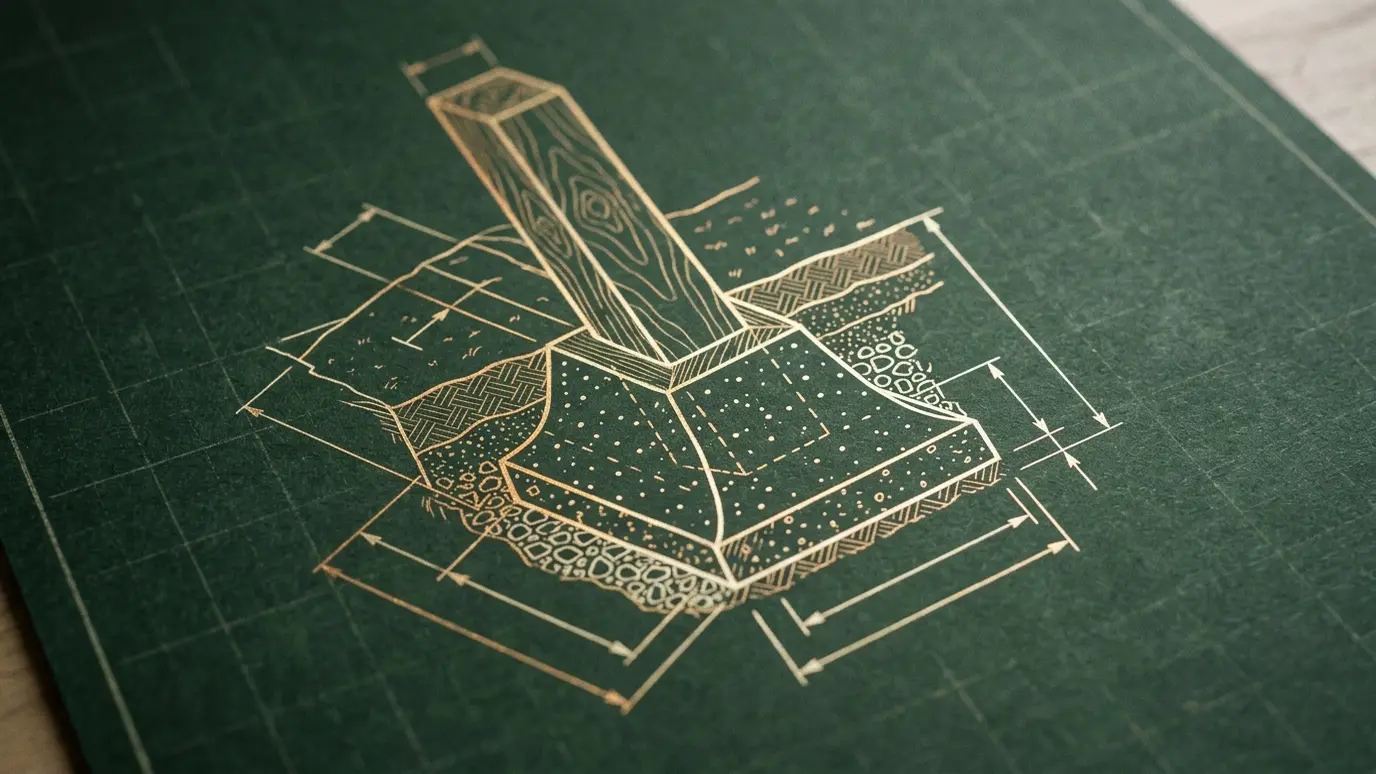
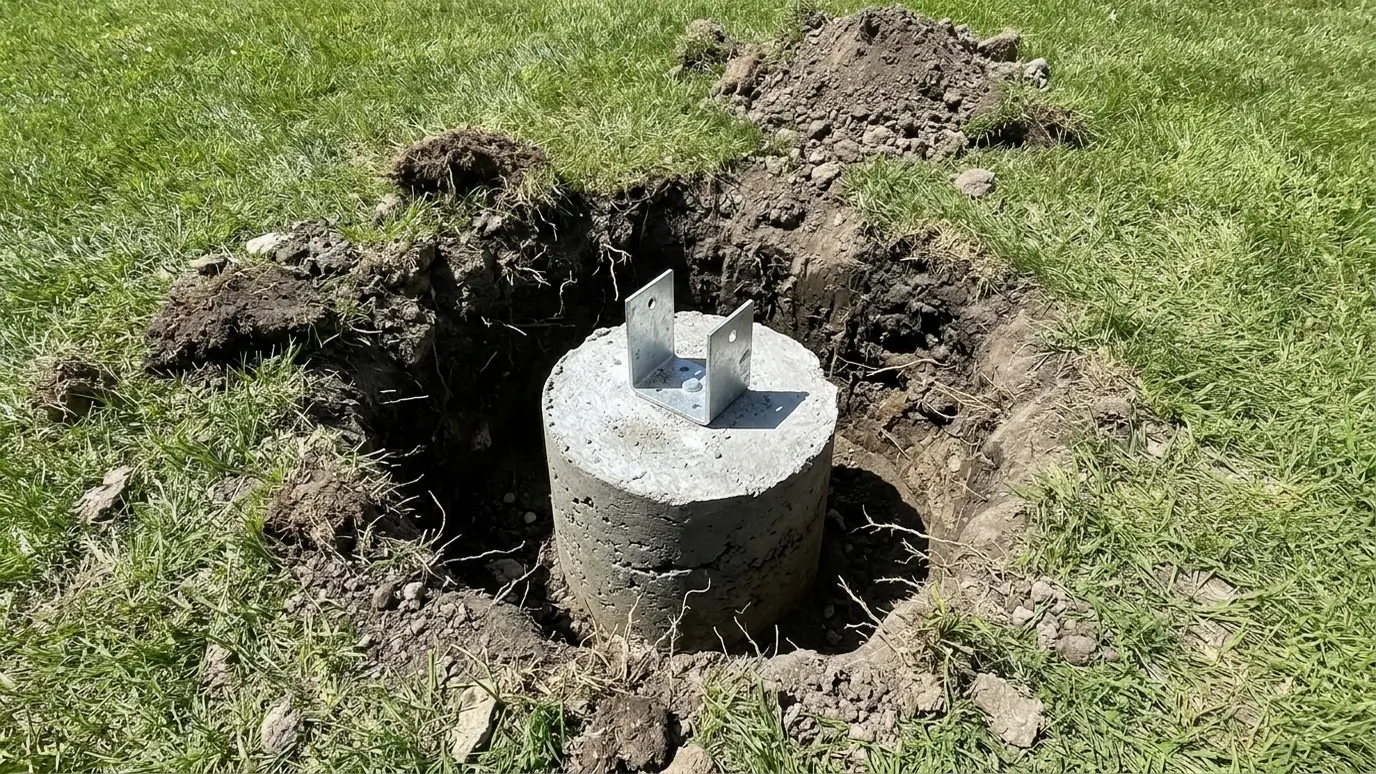
It needs more footings.
Shade and sun
Attached structures shade the house wall and the patio. Freestanding structures shade where you place them.
Think about when you use the space.
Look and feel
Attached pergolas look like part of the house. Freestanding ones look like a garden room.
Both can be beautiful.
Cost and rules
Attached pergolas can need fewer posts but more flashing. Both may need permits.
HOA rules can favor one style.
Hybrid options
Some designs attach on one side and stand on the other, or use posts close to the wall without touching it.
We can show both in drawings.
Attach for convenience and a seamless look, stand free for flexibility and a garden feel.