Size and shape
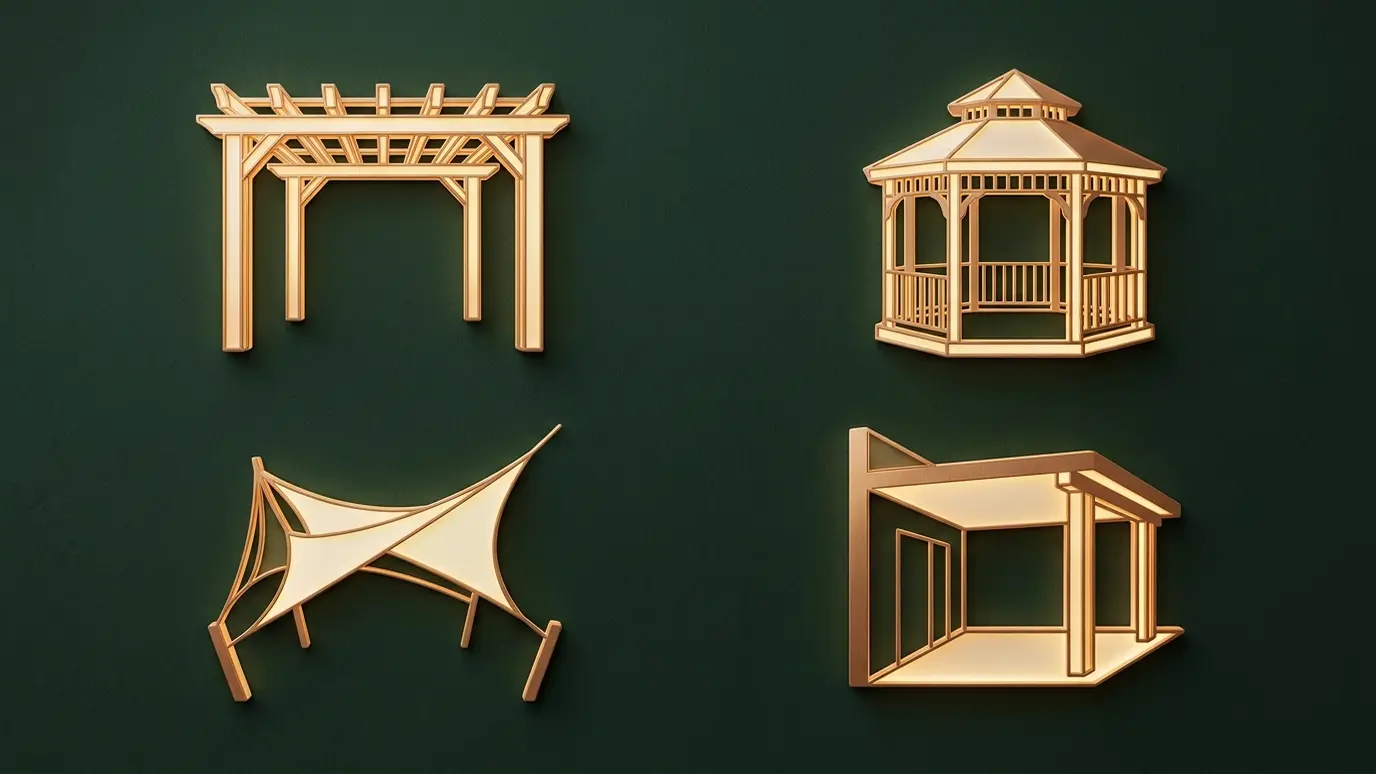
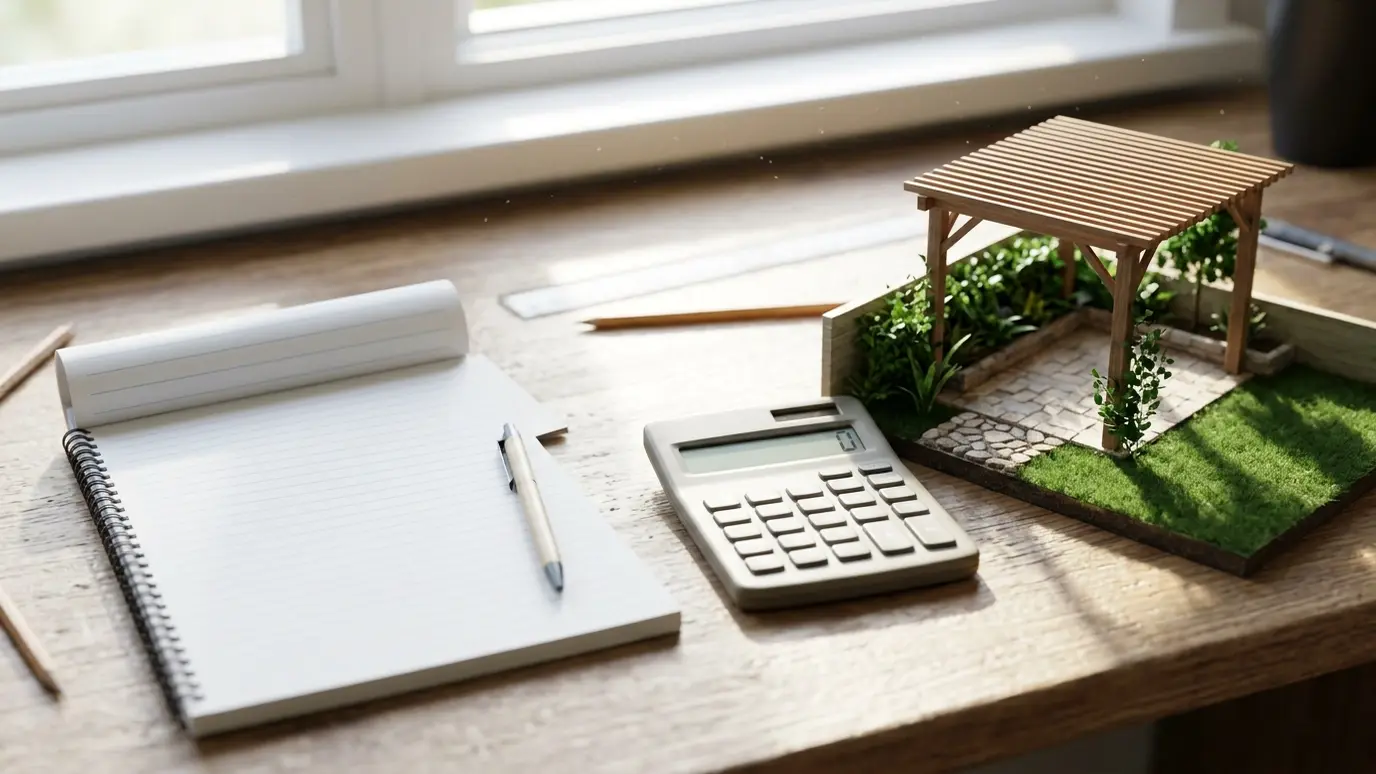
A small corner pergola and a large entertaining structure are very different projects. Footprint, height and the number of posts all change material and labor.
Ask every contractor to list the exact dimensions so that you compare like with like.
Material
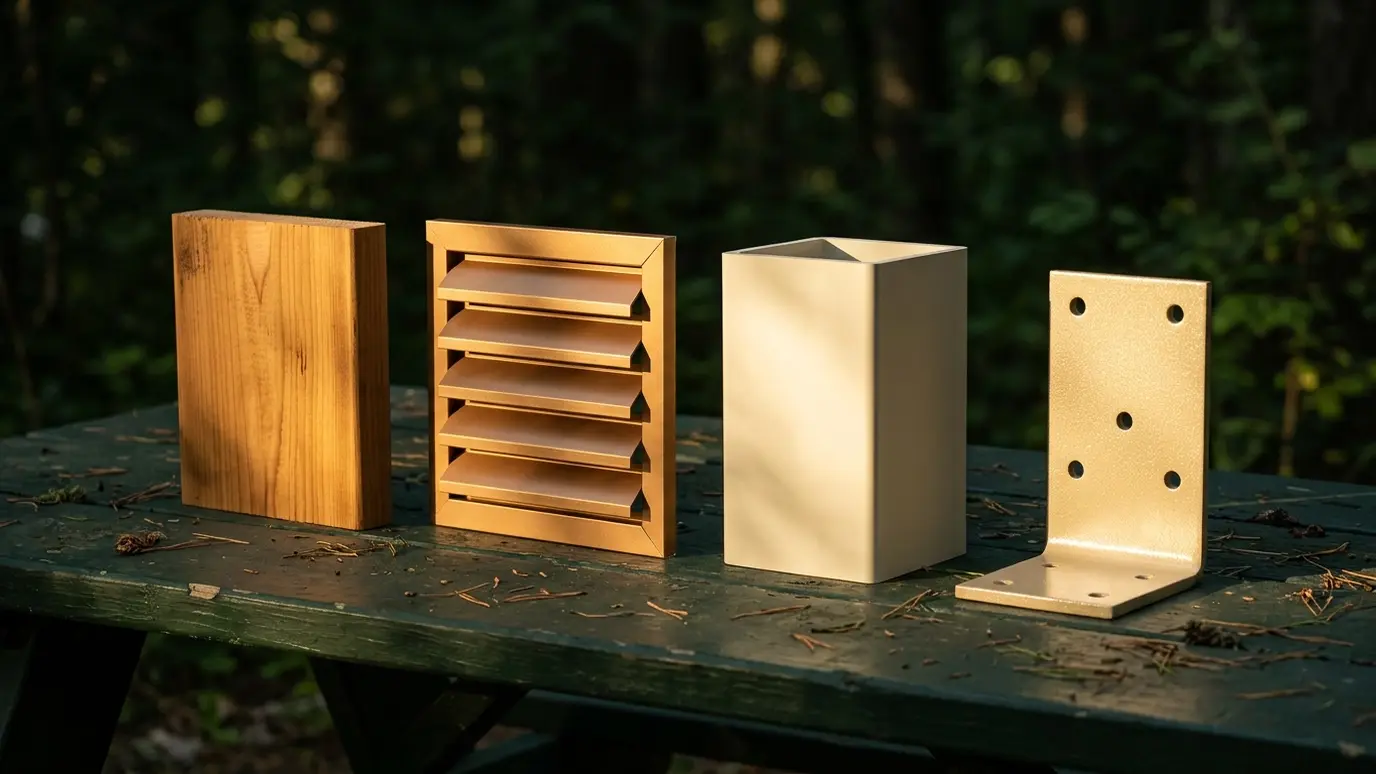
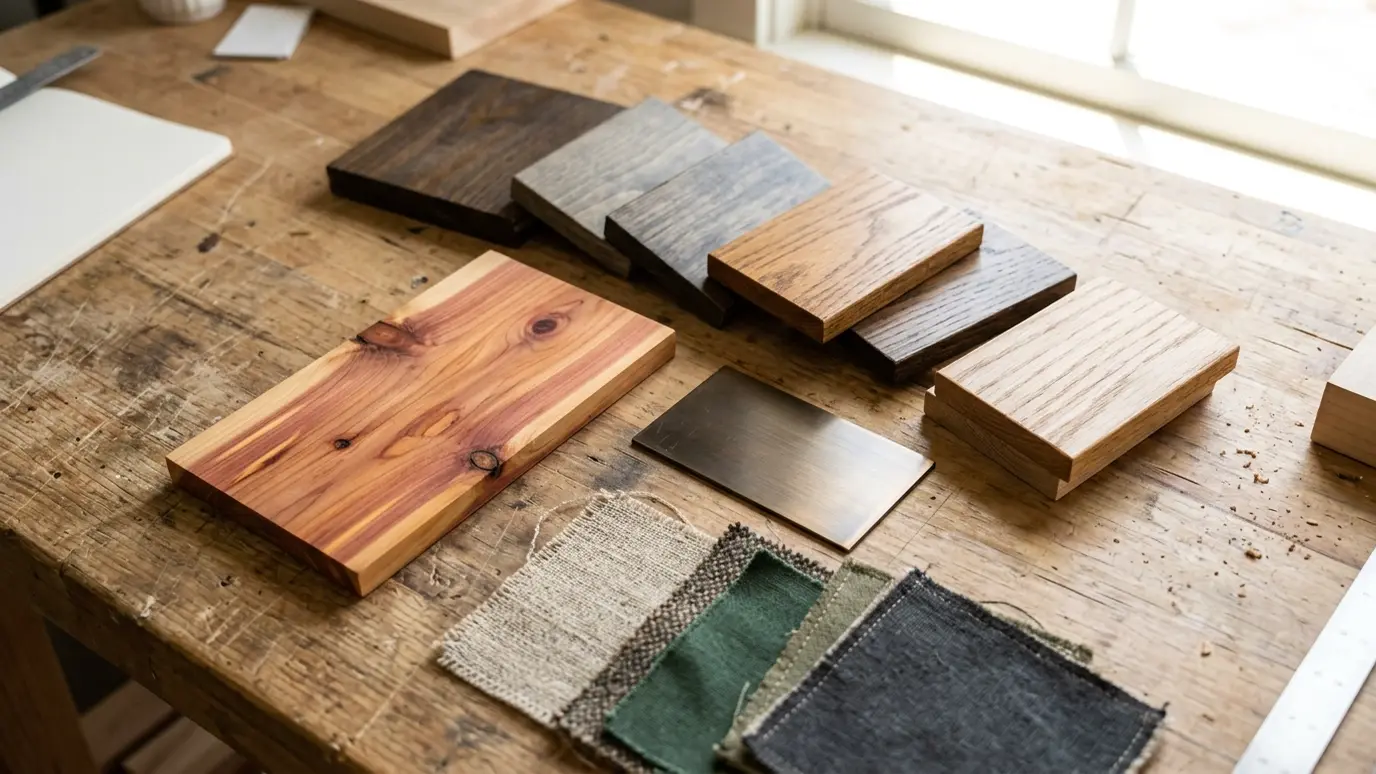
Treated pine, cedar, aluminum, vinyl and steel each have a different cost and a different upkeep story. A lower first cost can mean more refinishing later.
Think about the total cost of ownership, not only the day-one number.
Roof and cover
An open-rafter pergola costs less than one with a solid roof, louvers or a retractable canopy. Each cover brings extra framing, flashing and sometimes motors.
Decide early whether you want the roof now or later, because it changes the structure.
Footings, site and access
Soil, slope, tight gates and existing slabs change footing work and labor. Utilities and drainage matter too.
A good proposal states the site assumptions it makes.
Power, lights and extras
Electrical work, fans, heaters, lights, screens and outdoor kitchens add cost and need qualified trades.
Planning them early is neater and often costs less than adding them later.
How to compare quotes
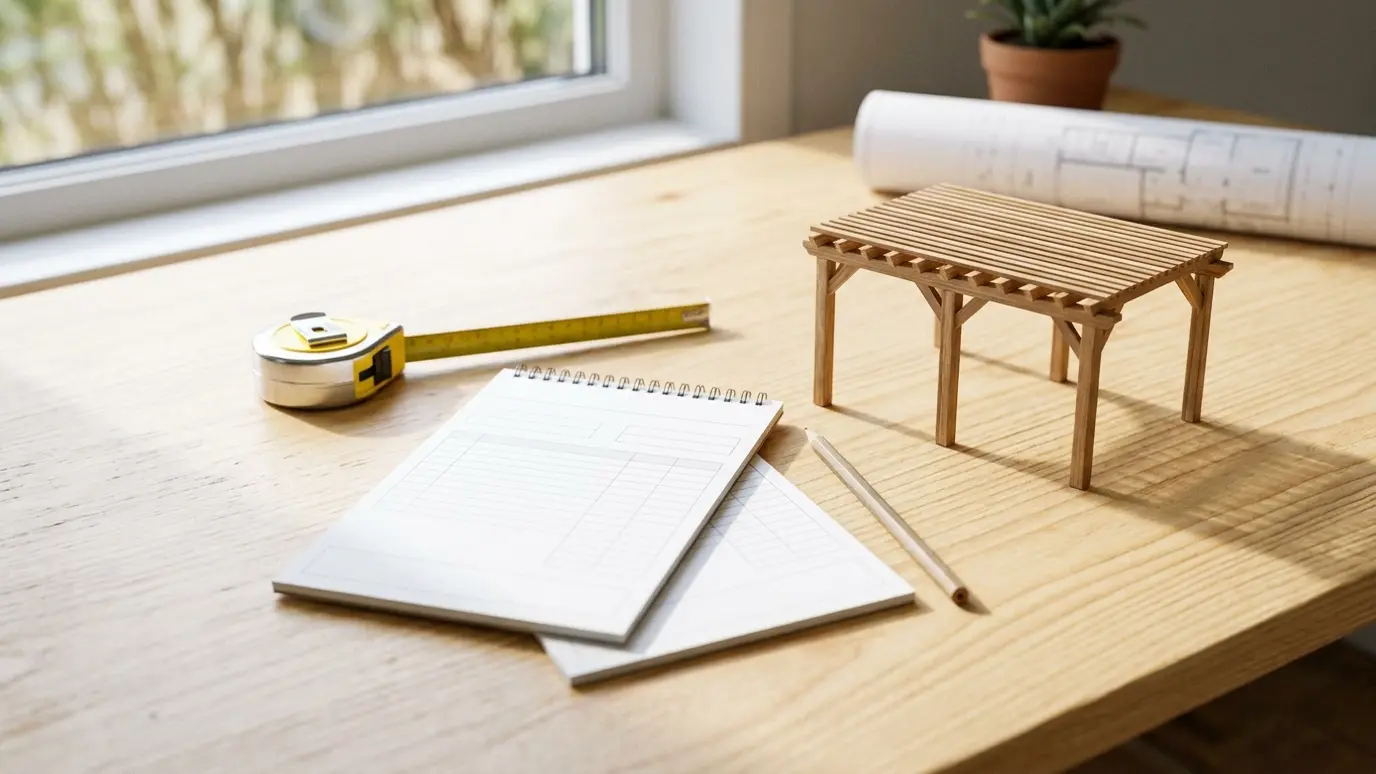
Compare scopes, not totals: dimensions, material grade, roof type, footings, permits, finish and cleanup.
A clear, itemized proposal is a sign of an organized builder.
Compare written scopes, decide on material and roof first and plan power and lights early so there are no surprises.